2026-09-18
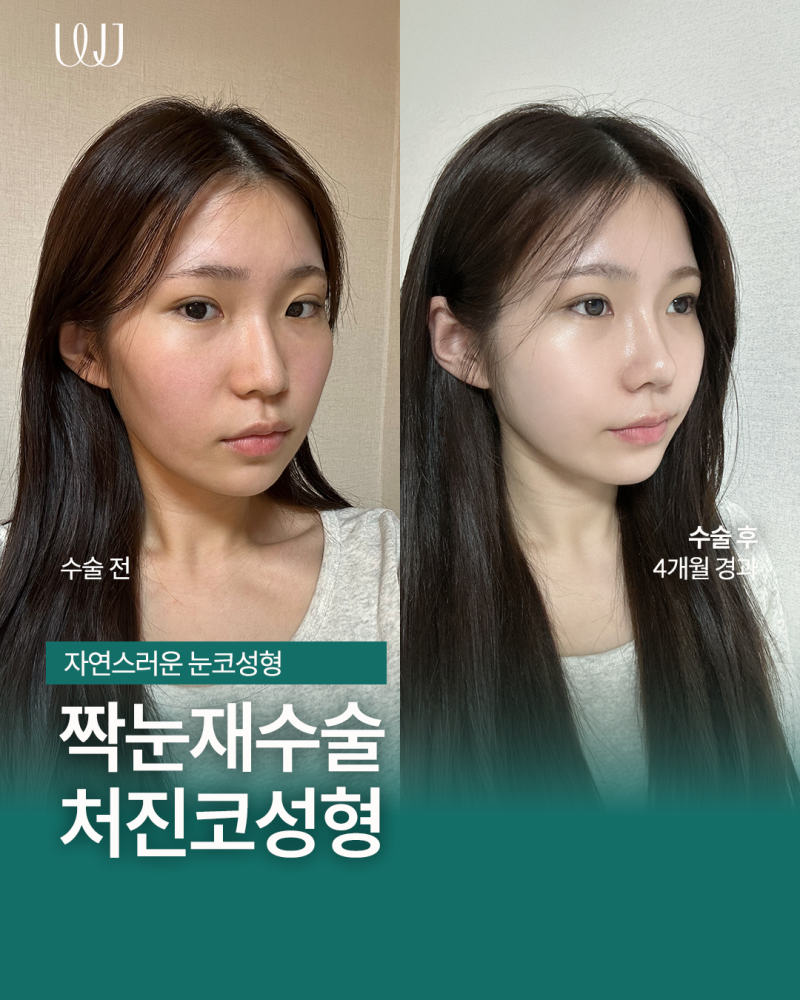
Before and After Revision Eyelid Surgery for Asymmetry and Droopy Tip Rhinoplasty
Real selfie before-and-after results for asymmetrical revision eyelid surgery and droopy tip rhinoplasty, covering timing, surgical causes, and implant choices at WJ Wonjin Plastic Surgery Clinic in Seoul, Korea. Ideal guide for natural facial harmony balancing the eyes and midface ratio cleanly and safely through tailored techniques and suitable graft choices for your revision needs and questions today accurately and naturally always here forever seamlessly for you to read on easily now anytime

Hello, this is WJ Wonjin Plastic Surgery : )
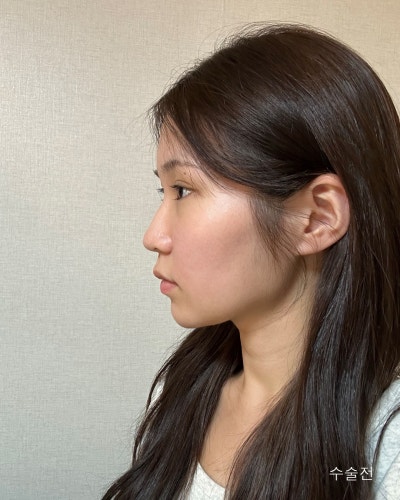
Today's post features selfie before-and-after photos of revision double eyelid surgery for asymmetrical eyes
and droopy tip rhinoplasty.









Q. What are the common reasons for getting revision double eyelid surgery?
A. Common reasons include loosened or faded double eyelid folds after surgery,
overly high or thick "sausage" folds,
folds that are too thin or low,
asymmetry in size or shape,
severe scarring after eyelid surgery,
difficulty closing the eyes properly,
or simply dissatisfaction with the eyelid line
and a desire for improvement.
Q. When is the ideal time for revision eyelid surgery?
A. Revision eyelid surgery cannot be performed at any arbitrary time.
It is recommended to wait at least 6 months, once the scars from the primary surgery have healed
and the internal tissues have stabilized, after carefully monitoring the reduction of swelling and fold progress
before deciding on surgery.
If you have undergone multiple revisions,
you should wait at least 1 year after the last surgery
before undergoing another procedure.
Q. Why does the midface look elongated even if the nose is not long?
A. A drooping nasal tip that falls lower than the columella can make
the midface appear elongated.
In such cases, elevating the droopy tip to a defined angle
and increasing the nasolabial angle
can balance the midface that previously looked disproportionately long,
harmonizing it with your overall facial proportions.
Q. What types of implants and materials are used in rhinoplasty?
A. Just as surgical techniques vary depending on individual symptoms,
the materials used must be tailored accordingly.
Autologous tissues such as septal cartilage, ear cartilage, rib cartilage, and dermis,
as well as silicone implants,
are selected to match each patient's specific nasal structure
and unique aesthetic needs.



Frequently Asked Questions
What are the primary reasons patients consider revision double eyelid surgery?
Loosened folds, severe asymmetry, and noticeable scarring are the most common reasons. Revision is also performed if the eyelid line has faded, appears excessively thick as a "sausage" fold, looks uneven in size and shape between both eyes, prevents full eye closure, or simply causes dissatisfaction.
When is the best time to undergo revision eyelid surgery?
It is best to wait at least 6 months after the initial surgery. This allows sufficient time for surgical scars to heal, internal tissues to stabilize, and residual swelling to subside so that the true eyelid contour can be evaluated. If you have undergone multiple revisions previously, waiting at least 1 full year is strongly recommended.
Why does the midface look long even when the nose itself is not long?
A droopy nasal tip that hangs lower than the columella can create the illusion of a longer midface. When the tip droops, lifting and refining the tip to increase the nasolabial angle visually shortens the midface and restores balanced facial proportions.
What types of implants and graft materials are used in rhinoplasty?
Autologous tissues—including septal cartilage, ear cartilage, costal (rib) cartilage, and autologous dermis—as well as silicone implants are commonly utilized. Materials are customized based on the patient's nasal anatomy, tissue condition, and desired aesthetic outcome.